
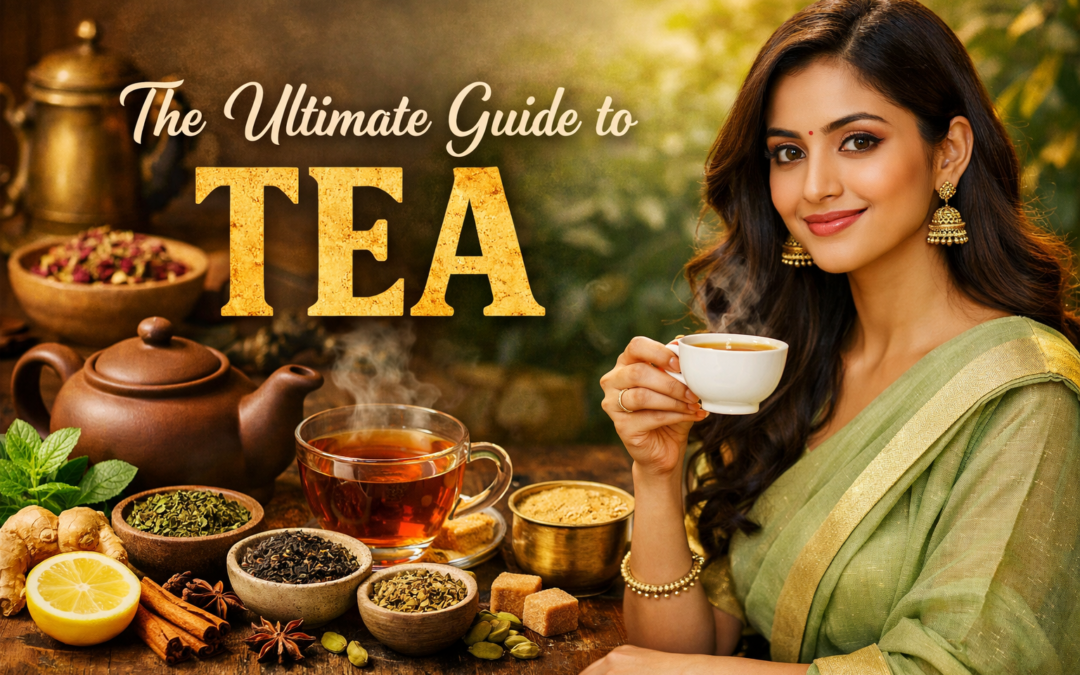
Tea is the second most consumed beverage in the world, right after water. Whether you are serving guests in a fine dining restaurant or just relaxing at home, understanding the journey of the tea leaf makes every sip a little more special.
Let’s explore the rich history of tea, how it is made, and the secrets to brewing and preserving it perfectly.
🍃 A Sip of History
The story of tea begins in ancient China around 2737 BC. According to legend, Emperor Shen Nung, a skilled ruler and scientist, was sitting beneath a tree while his servant boiled drinking water. Some leaves from a wild tree blew into the water, turning it a light brown color. The emperor tried the brew, felt instantly refreshed, and tea was born!
From China, tea drinking spread to Japan through Buddhist monks. By the 17th century, it reached Europe and the UK via trade routes, quickly transforming from an expensive luxury for the elite into a daily staple worldwide.
🌿 Types of Tea: It All Comes From One Plant
Here is a surprising fact: all true tea comes from the exact same plant, called Camellia sinensis.
The difference between white, green, and black tea is simply how the leaves are treated after they are picked. It all comes down to oxidation (how much oxygen the leaves are exposed to, similar to how an apple turns brown when you slice it).
- White Tea: The purest and least processed. Only the youngest buds are picked and gently dried. It has a very delicate, sweet flavor.
- Green Tea: Unoxidized tea. The leaves are picked and immediately heated (steamed or pan-fired) to prevent them from turning brown. It tastes fresh, grassy, and light.
- Oolong Tea: Partially oxidized. The leaves are allowed to turn slightly brown before the process is stopped. It sits somewhere between green and black tea, offering complex, floral, or fruity flavors.
- Black Tea: Fully oxidized. The leaves are rolled and exposed to air until they turn completely dark. This creates a strong, robust, and full-bodied flavor.
- Note on Herbal Tea (Tisanes): Drinks like chamomile, peppermint, or rooibos are not actually “tea” because they don’t contain Camellia sinensis leaves. They are infusions of herbs, fruits, or flowers.
⚙️ The Making Process: From Leaf to Cup
Creating tea is an art form that requires careful timing. The standard process involves five simple steps:
- Plucking: Harvesting the leaves by hand (usually just the top two leaves and the bud).
- Withering: The fresh leaves are laid out to wilt. This removes moisture and makes them soft and pliable.
- Rolling: The soft leaves are rolled or gently crushed. This breaks the cell walls inside the leaf, releasing essential oils and starting the oxidation process.
- Oxidation: The rolled leaves sit in a climate-controlled room to absorb oxygen. This is where the magic happens, developing the tea’s color, strength, and flavor profile.
- Firing (Drying): The leaves are heated rapidly to remove all remaining moisture and completely stop the oxidation process.
🥄 The Blending Process
Tea blending is the craft of mixing different teas together, or adding other ingredients, to create a unique and consistent flavor.
Because tea is an agricultural crop, its flavor changes depending on the weather, season, and soil. Master blenders mix leaves from different gardens to ensure that a brand’s signature tea (like a classic English Breakfast) tastes exactly the same every single time you buy it. Blenders will also add essential oils (like bergamot oil for Earl Grey), dried fruits, or spices (like in Masala Chai) to create exciting new profiles.
🌡️ The Art of Service: Perfect Temperatures
Using boiling water for every type of tea is a common mistake that can easily ruin a great cup, making delicate teas taste bitter. Here is a simple guide to serving temperatures:
| Tea Type | Ideal Water Temperature | Steeping Time |
| White Tea | 70°C – 80°C | 2 – 3 minutes |
| Green Tea | 75°C – 80°C | 1 – 3 minutes |
| Oolong Tea | 80°C – 90°C | 3 – 5 minutes |
| Black Tea | 95°C – 100°C (Boiling) | 3 – 5 minutes |
| Herbal Tea | 100°C (Boiling) | 5 – 7 minutes |
📦 Preserving and Storing Tea
To keep tea fresh and flavorful, you must protect it from its five biggest enemies: Light, Heat, Moisture, Odor, and Air.
- Do: Store tea in an airtight, opaque container (like a tin or dark glass jar). Keep it in a cool, dark cupboard.
- Don’t: Never store tea in a clear glass jar on a sunny counter. Do not keep it in the refrigerator (moisture will ruin it), and keep it far away from strong-smelling spices, as tea leaves easily absorb surrounding odors.
Recent Comments